In today’s competitive world, academic knowledge alone is not always enough to achieve success. Students also need strong communication skills to express their ideas, participate confidently in discussions, and prepare for future career opportunities. English has become an important language in education, professional environments, and global communication.
Developing good English communication skills for students helps them build confidence, improve academic performance, and create better opportunities for their future. At Keenachievers, students are encouraged to develop their English speaking, grammar, vocabulary, and overall communication abilities through practical learning.
Why Are English Communication Skills Important for Students?
English communication skills help students express their thoughts clearly and interact confidently with teachers, classmates, and people from different backgrounds. Here are some important reasons why students should develop these skills.
1. Improves Academic Performance
Good English communication helps students understand lessons, participate in classroom activities, and present their answers effectively. Strong reading, writing, listening, and speaking skills also support better performance in school and college examinations.
2. Builds Confidence and Personality
Many students hesitate to speak English because they fear making grammatical mistakes. Regular speaking practice helps them overcome hesitation and develop self-confidence. Better communication also supports personality development and improves interpersonal relationships.
3. Helps in Group Discussions and Presentations
Group discussions, debates, and presentations are important parts of modern education. Students with good English communication skills can share their opinions, explain ideas, and participate actively in these activities.
4. Creates Better Career Opportunities
English communication plays an important role in job interviews, professional meetings, and workplace interactions. Students who develop these skills early can prepare themselves for future employment opportunities and professional growth.
5. Improves Critical Thinking and Expression
Effective communication encourages students to organise their thoughts, analyse information, and explain their opinions logically. These abilities are useful in academic discussions, problem-solving, and everyday conversations.
6. Supports Global Learning Opportunities
English is widely used in international education, online learning platforms, and professional communication. Strong English skills help students access educational resources, participate in global discussions, and connect with people from different cultures.
7 Effective Ways Students Can Improve English Communication Skills
Students do not need to be fluent from the beginning. Consistent practice and the right learning approach can make a significant difference.
- Read English Daily: Read newspapers, short stories, articles, and educational books to improve vocabulary and sentence formation.
- Practise Speaking Regularly: Speak English with friends, teachers, or family members to develop fluency.
- Learn New Vocabulary: Learn five new words every day and use them in meaningful sentences.
- Improve Grammar: Understand basic grammar rules, tenses, and sentence structures for accurate communication.
- Listen to English Content: Watch educational videos, interviews, and English conversations to improve listening and pronunciation.
- Participate in Group Discussions: Join classroom discussions, debates, and speaking activities to overcome hesitation.
- Practise Public Speaking: Prepare short speeches and presentations to improve confidence and expression.
Why Choose Keenachievers to Improve English Communication Skills?
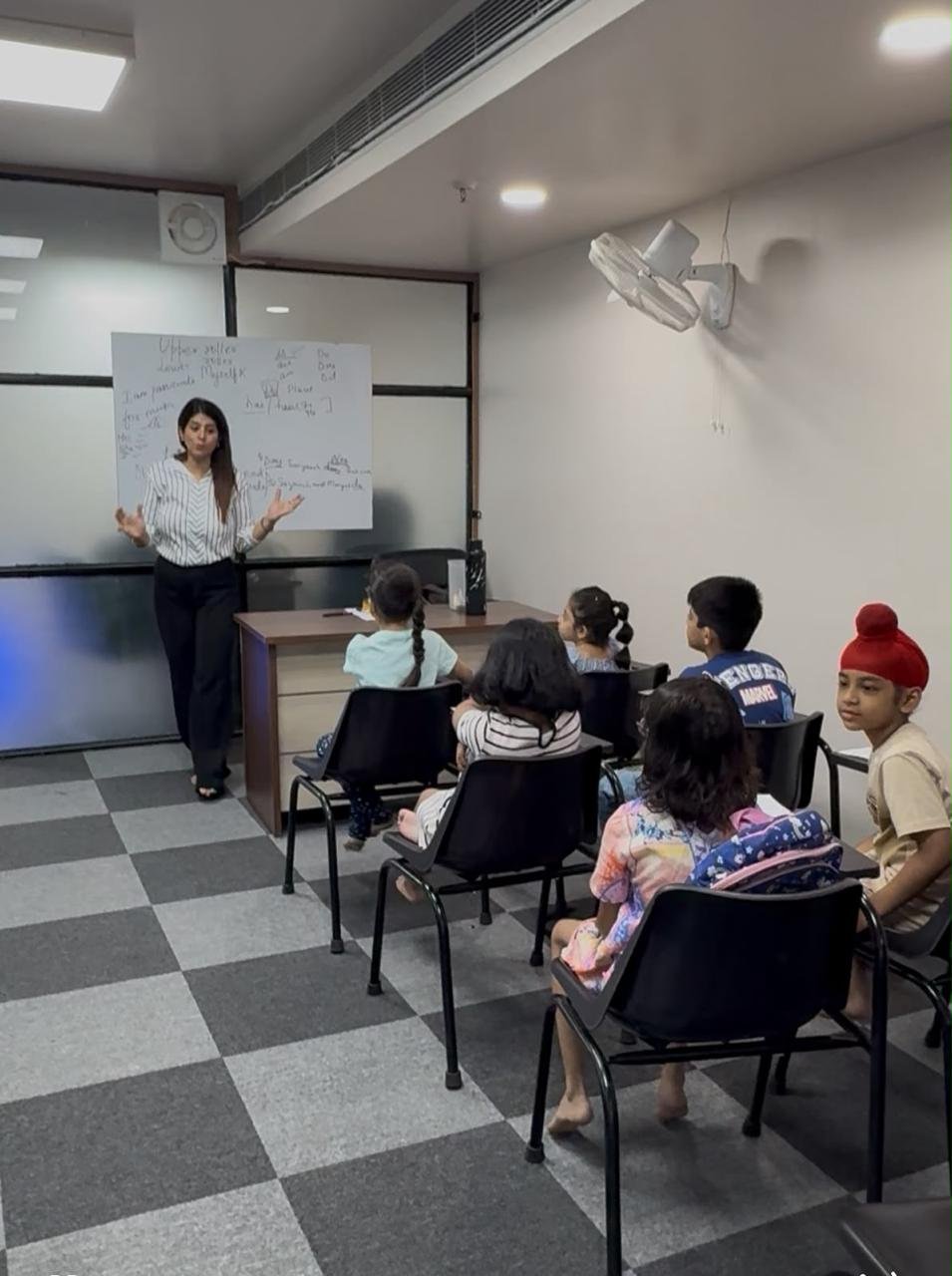
Choosing the right learning platform can help students make consistent progress. Keenachievers focuses on making English learning practical, engaging, and confidence-building.
Students can develop important skills through learning programmes focused on:
- Spoken English and everyday conversations.
- English grammar and vocabulary improvement.
- Reading and writing skills.
- Personality development and confidence building.
- Interview preparation and communication skills.
- Public speaking and presentation techniques.
The aim is to help students move beyond memorising English rules and become confident communicators in real-life situations.
Conclusion
English communication skills are essential for students who want to succeed in today’s competitive educational and professional environment. From classroom participation and academic performance to interviews and career development, effective communication can make a valuable difference.
By practising regularly, improving vocabulary, learning grammar, and participating in interactive activities, students can gradually become confident English speakers.
Start building your communication skills with Keenachievers and take a positive step towards a more confident and successful future.
Frequently Asked Questions (FAQs)
1. Why are English communication skills important for students?
English communication skills help students express their ideas clearly, improve academic performance, participate in discussions, build confidence, and prepare for future career opportunities.
2. How can students improve their English communication skills?
Students can improve by reading English books, practising daily conversations, learning new vocabulary, listening to English content, and participating in group discussions.
3. At what age should students start learning English communication skills?
Students can start developing English communication skills from an early age. Regular practice during school years helps build a strong foundation for future education and career growth.
4. How does English communication help students in their careers?
Good English communication helps students perform better in job interviews, workplace discussions, presentations, and professional interactions.
5. How can Keenachievers help students improve English communication skills?
Keenachievers offers learning opportunities focused on spoken English, grammar, vocabulary, personality development, and practical communication activities to help students communicate confidently.